




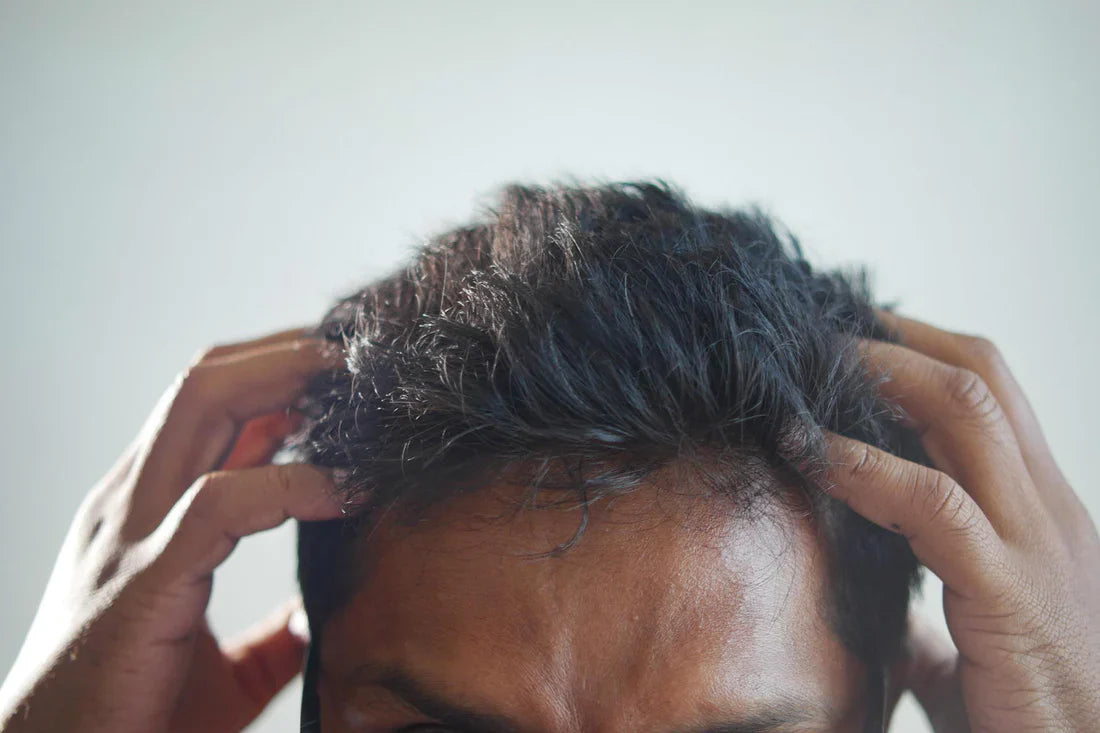

A healthy scalp condition is essential for maintaining healthy hair. Neglecting scalp care results in multiple problems which include hair loss, scalp dryness, scalp irritation and reduced hair growth. Scalp health should receive equal attention with hair care because it serves as the base for developing strong and healthy hair. People who experience scalp health problems should learn to identify the symptoms of their condition so they can begin treatment before their situation becomes more serious.
Common Signs of an Unhealthy Scalp
Persistent Itching
Scalp problems usually cause people to experience frequent itching which represents one of their most typical symptoms. The condition results from three possible sources which include product buildup, dandruff and extreme sensitivity to particular hair products. The scalp becomes damaged through continuous scratching which creates a negative impact on hair follicle health.
Excessive Dandruff or Flaking
People who experience excessive flaking on their scalp or shoulders show a medical condition called scalp imbalance. Dandruff develops because of four primary factors which include dry scalp, oily buildup. fungal problems and the use of strong shampoos. People who ignore their flakes will experience both irritation and discomfort.
Excessive Oiliness
An overly oily scalp often feels greasy shortly after washing. This may be due to overactive oil glands, hormonal changes, or using the wrong hair products. Excess oil can clog hair follicles and contribute to hair thinning.
Redness or Irritation
A red, inflamed scalp is a sign of irritation or sensitivity. This can result from allergic reactions, harsh chemicals, excessive heat styling, or frequent scratching. In some cases, redness may indicate underlying scalp conditions.
Hair Fall or Weak Hair Growth
An unhealthy scalp can weaken hair roots, leading to increased hair shedding or slower hair growth. Poor blood circulation, clogged follicles, and scalp inflammation all affect hair health.
How to Fix an Unhealthy Scalp
Cleanse Gently and Regularly
Keeping the scalp clean is essential, but overwashing can strip away natural oils. Use a mild shampoo suited to your scalp type two to three times a week. Avoid products with harsh sulfates that can dry out or irritate the scalp.
Exfoliate the Scalp
Scalp exfoliation helps remove dead skin cells, excess oil, and product buildup. Use a gentle scalp scrub or exfoliating shampoo once a week to unclog hair follicles and promote healthy circulation.
Moisturize and Nourish
Just like skin, the scalp needs moisture. If you have dryness or irritation, use lightweight scalp oils or serums that hydrate without clogging pores. Massaging the scalp while applying products improves blood flow and relaxation.
Avoid Harsh Styling Practices
Excessive heat styling, tight hairstyles, and chemical treatments can damage the scalp. Limit heat tools, avoid tight braids or ponytails, and give your scalp time to recover between treatments.
Maintain a Healthy Lifestyle
Scalp health is closely linked to overall health. Drink enough water, eat a balanced diet rich in vitamins and protein, and manage stress levels. Poor nutrition and dehydration can weaken the scalp and hair roots.
When to Seek Professional Help
If scalp issues persist despite proper care, consulting a dermatologist or hair specialist is recommended. Chronic itching, severe redness, or excessive hair loss may require professional treatment.
Final Thoughts
An unhealthy scalp often sends clear warning signs that should not be ignored. By adopting gentle cleansing habits, proper hydration, and a balanced lifestyle, you can restore scalp health and support stronger, healthier hair growth. Taking care of your scalp is an essential step toward achieving better hair overall.


Leave a comment (all fields required)