











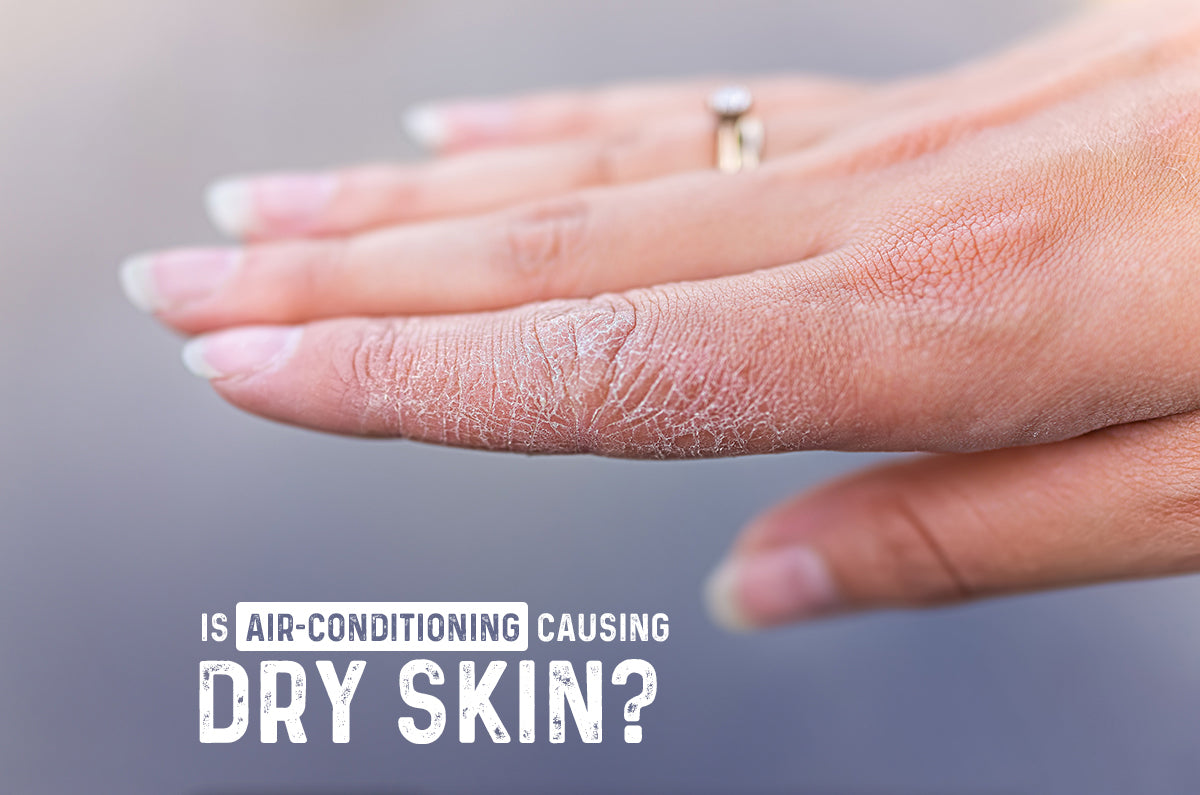

We all know who has air conditioning in their office, homes and cars; we all know when we are being comfortable. The problem with being in these cool environments with constant air conditioning over long periods of time is that it can slowly begin to dehydrate our skin if we aren’t paying attention to our skin and how well it is getting the moisture it needs.
A/C and dry skin
All air conditioning systems remove moisture and heat from the air surrounding us. Air conditioning systems cool down and dry out the air inside, thereby lowering the humidity within that environment. Since skin relies on the moisture in the air around it to help maintain moisture levels, when the humidity around us drops, so does the moisture available for our skin, thus drying out faster than it can replace it.
As this occurs for an extended period of time, our skin loses its ability to replenish itself as quickly as it once did, thus compromising the skin's natural barrier (the outermost layer of the skin that holds in moisture and keeps foreign substances out). Due to the compromised state of the skin’s outer layer, the skin becomes more prone to becoming dry, irritated, flaking and sensitive.
Impact on Different Skin Types
Dry and sensitive skin types tend to feel the effects of air conditioning more quickly. Tightness, itching, and visible dry patches are common signs. However, oily and combination skin aren’t immune. When skin loses moisture, it may overcompensate by producing more oil, which can lead to clogged pores and breakouts.
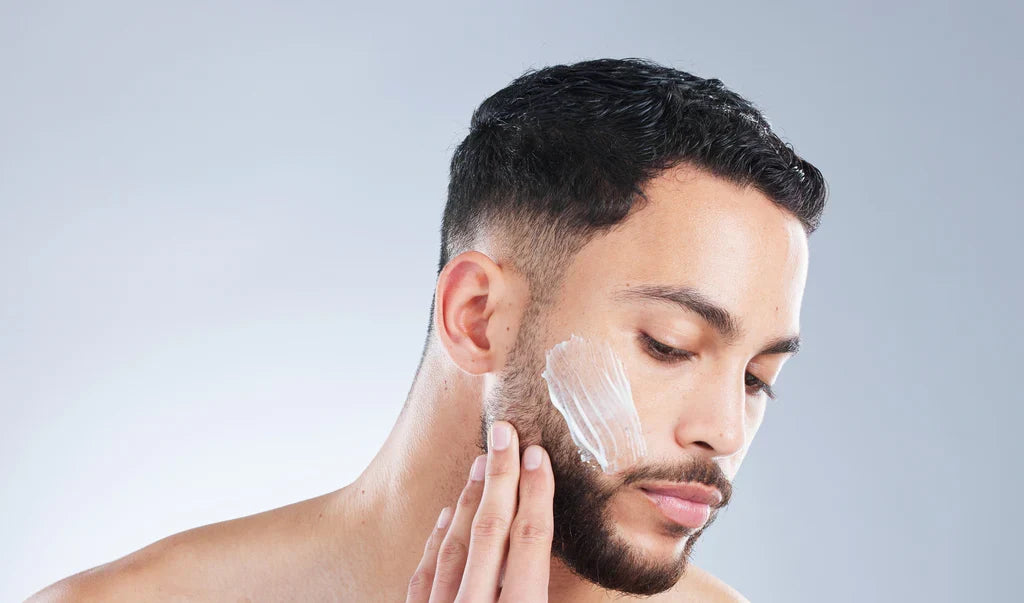
For men who shave regularly, AC exposure can make things worse. Shaving already strips away some of the skin’s protective oils, and dry indoor air amplifies post-shave irritation, redness, and razor burn.
How AC Exposure Accelerates Skin Aging
Dehydrated skin doesn’t just feel uncomfortable, it also looks older. Lack of moisture makes fine lines and wrinkles appear more pronounced and reduces skin elasticity. Over time, repeated dehydration can contribute to a dull complexion and uneven texture.
Hydrated skin reflects light better, giving it a healthier and more youthful appearance. When air conditioning continuously pulls moisture from the skin, it interferes with this natural glow.
Hidden Effects on the Skin Barrier
The skin barrier relies on water and natural lipids to function properly. Prolonged exposure to dry, recycled air can disrupt this balance, making skin more vulnerable to environmental stressors like pollution, dust, and allergens.
Once the barrier is weakened, even products that normally work well may start causing stinging or irritation. This is often mistaken for product sensitivity when the real issue is dehydration.
Simple Ways to Protect Skin in Air-Conditioned Environments
While avoiding air conditioning altogether isn’t realistic, there are practical ways to minimize its impact on skin hydration:
-
Using a daily moisturizer helps replenish lost moisture and reinforce the skin barrier. Applying it immediately after cleansing helps seal in hydration.
-
Drinking enough water is equally important. Internal hydration supports skin cells from within, helping counteract moisture loss caused by dry air.
-
Limiting overly hot showers can also help, as hot water strips the skin of natural oils, compounding AC-related dryness.
-
If possible, using a humidifier in frequently air-conditioned spaces can restore moisture to the air and reduce transepidermal water loss.
Conclusion
Air conditioning may keep you comfortable, but it quietly challenges your skin’s ability to stay hydrated. By understanding how AC affects moisture levels and taking simple preventive steps, you can maintain healthy, balanced skin even in dry indoor environments. Hydration, both inside and out, remains the key to keeping skin resilient, comfortable, and healthy year-round.





Leave a comment (all fields required)