





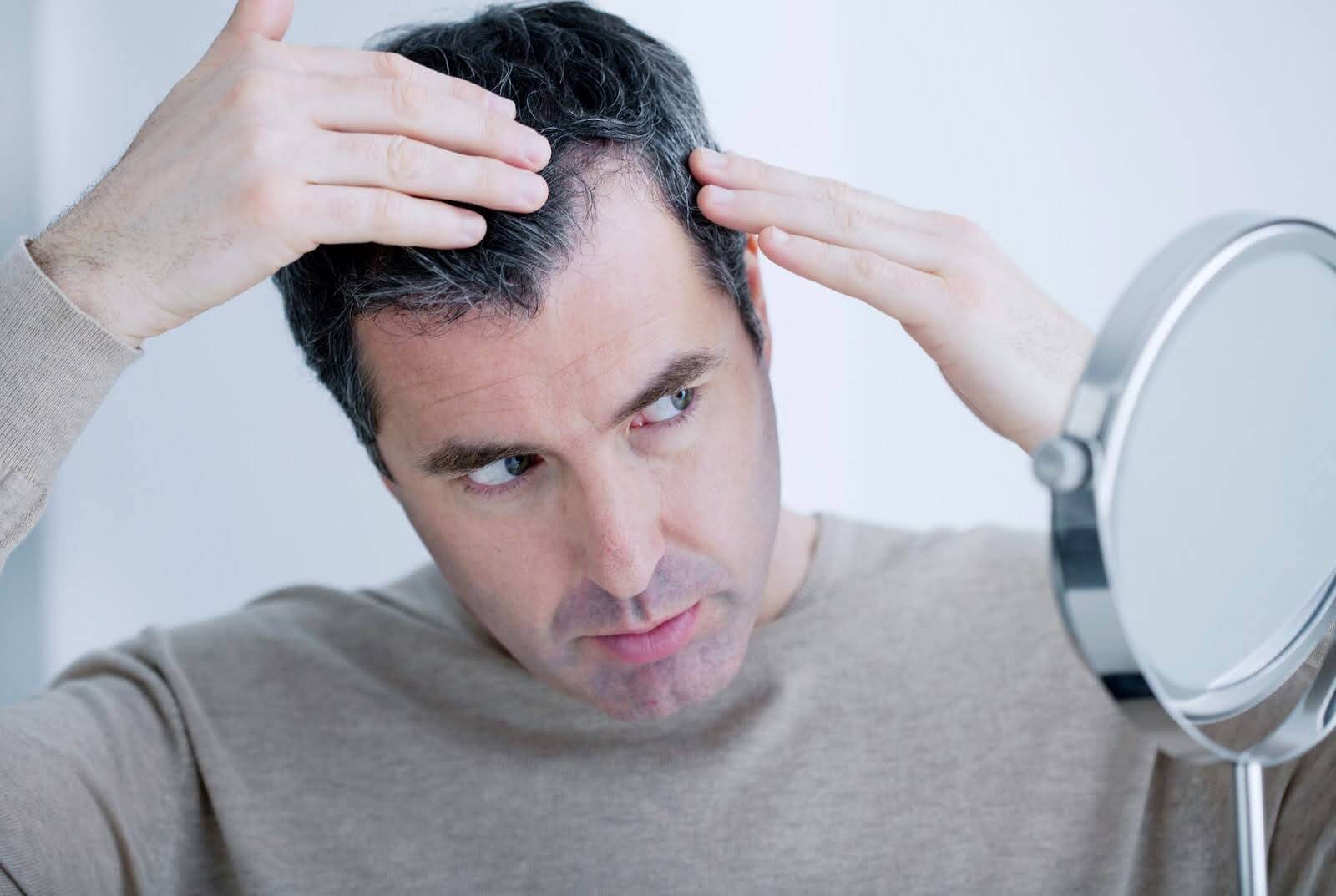

Hormonal fluctuations do not apply solely to women, but men experience varying levels of such shifts when they go through runs in their lives such as stress, aging, health problems and lifestyle changes. Testosterone, cortisol, DHT, and thyroid hormone levels may shift significantly during these times, either positively affecting hair growth and retention or negatively interfering with growth and causing hair loss. It is important for individuals experiencing hair issues, to understand how hormonal fluctuations may affect their hair so that they can effectively care for their hair and keep it healthy and strong.
The Role of Hormones and Hair Health in Men
Hormones are at least partially responsible for the cycles of hair growth. When testosterone increases, it can be converted to another hormone known as DHT (dihydrotestosterone), which is also thought to be a major cause of male pattern baldness. An increase in the level of DHT or the sensitivity of hair follicles to DHT reduces the period of hair growth (the anagen phase), which results in the production of more fine (thin) strands of hair, and progressive hair loss.
Additionally, cortisol spikes caused by stress are another hormonal reason that can result in increased hair loss. High levels of cortisol induce the hair follicle to enter the telogen phase prematurely, which results in hair falling out prematurely. Lastly, imbalance in the production of thyroid hormones commonly presents itself in men as dry, brittle hair or widespread thinning of hair throughout the scalp. Because most men experience these changes over an extended period of time, they may not immediately connect a fluctuation of hormones with their hair loss issues.
Adjusting Your Hair Care Routine
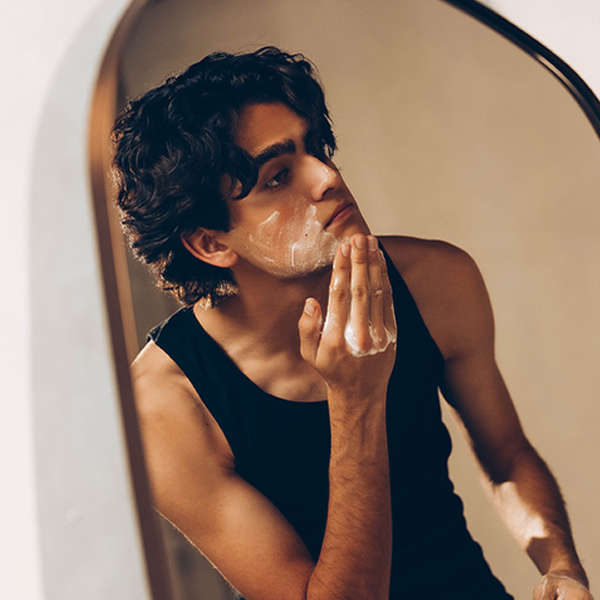
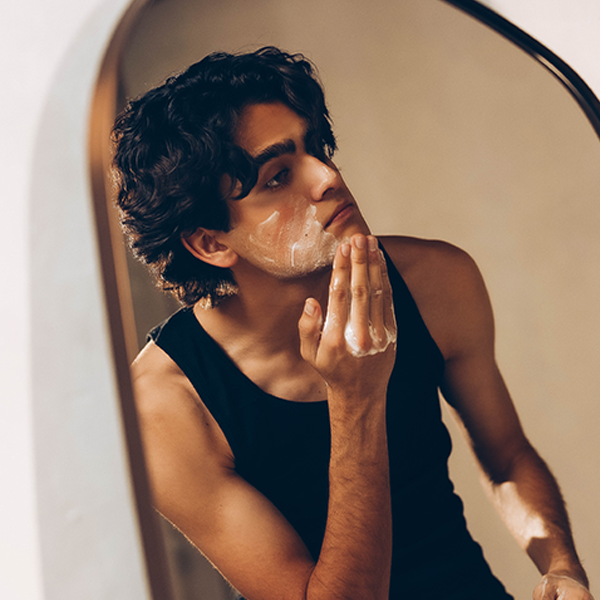
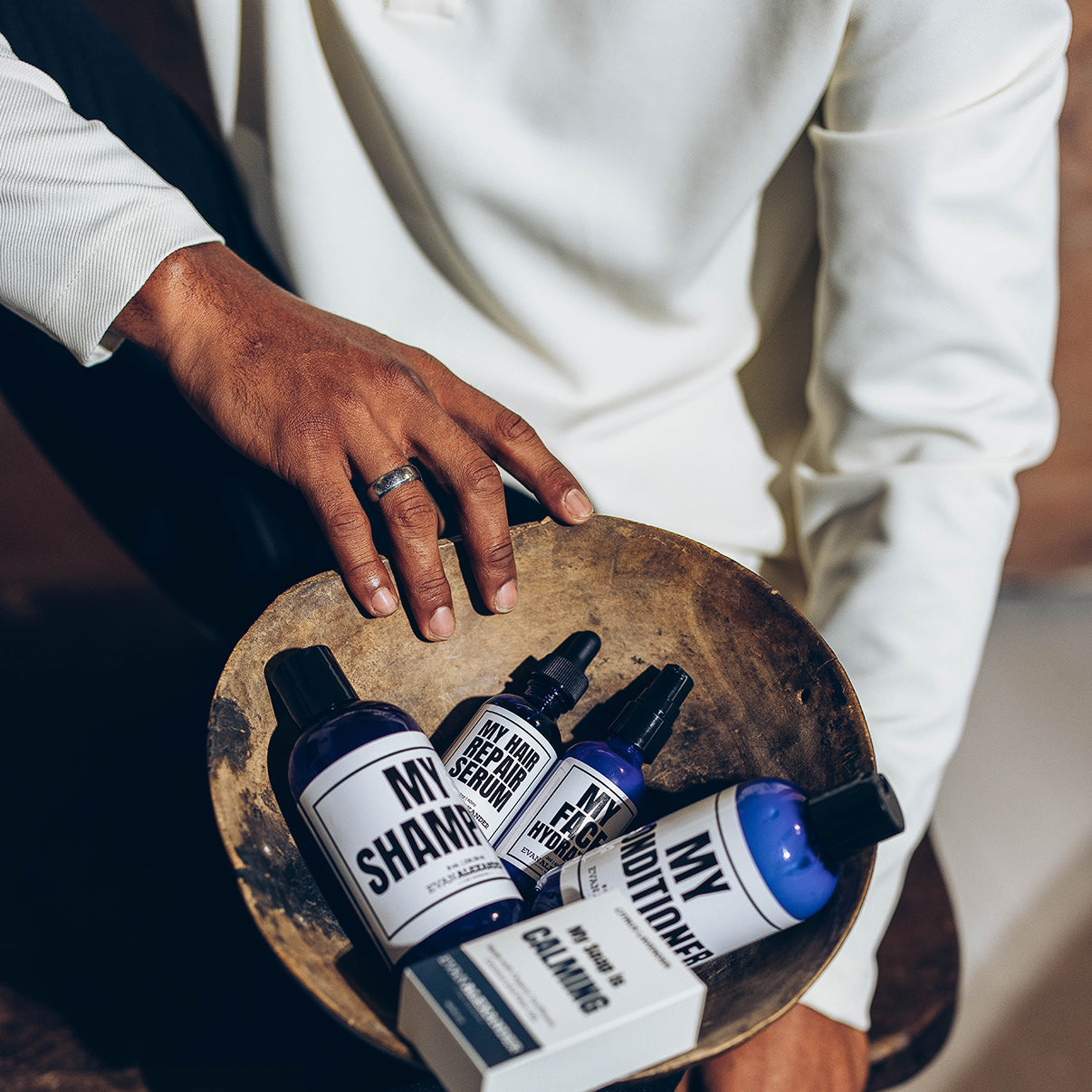
When hormones are in flux, gentle and consistent hair care becomes crucial. Aggressive washing, harsh shampoos, and excessive heat styling can further weaken hair that’s already under hormonal stress. Using mild, scalp-friendly shampoos helps maintain a healthy environment for hair follicles.
Scalp care is especially important. A clean, well-nourished scalp supports better blood circulation and follicle function. Gentle scalp massage during washing can help stimulate circulation without causing irritation.
Overusing styling products can weigh hair down and clog follicles, making thinning appear more pronounced. Keeping routines simple and supportive helps hair adapt to internal changes.
Supporting Hair from Within
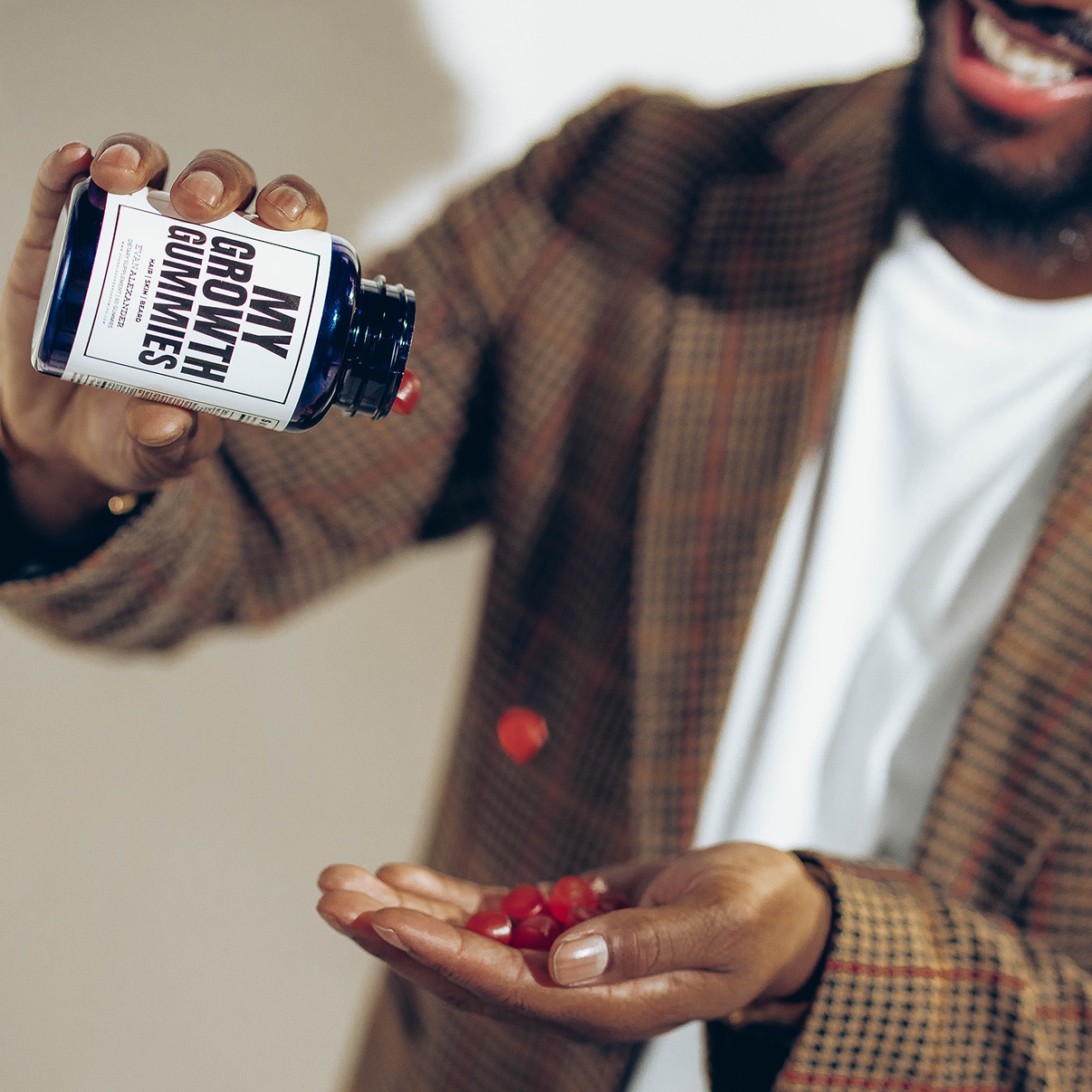
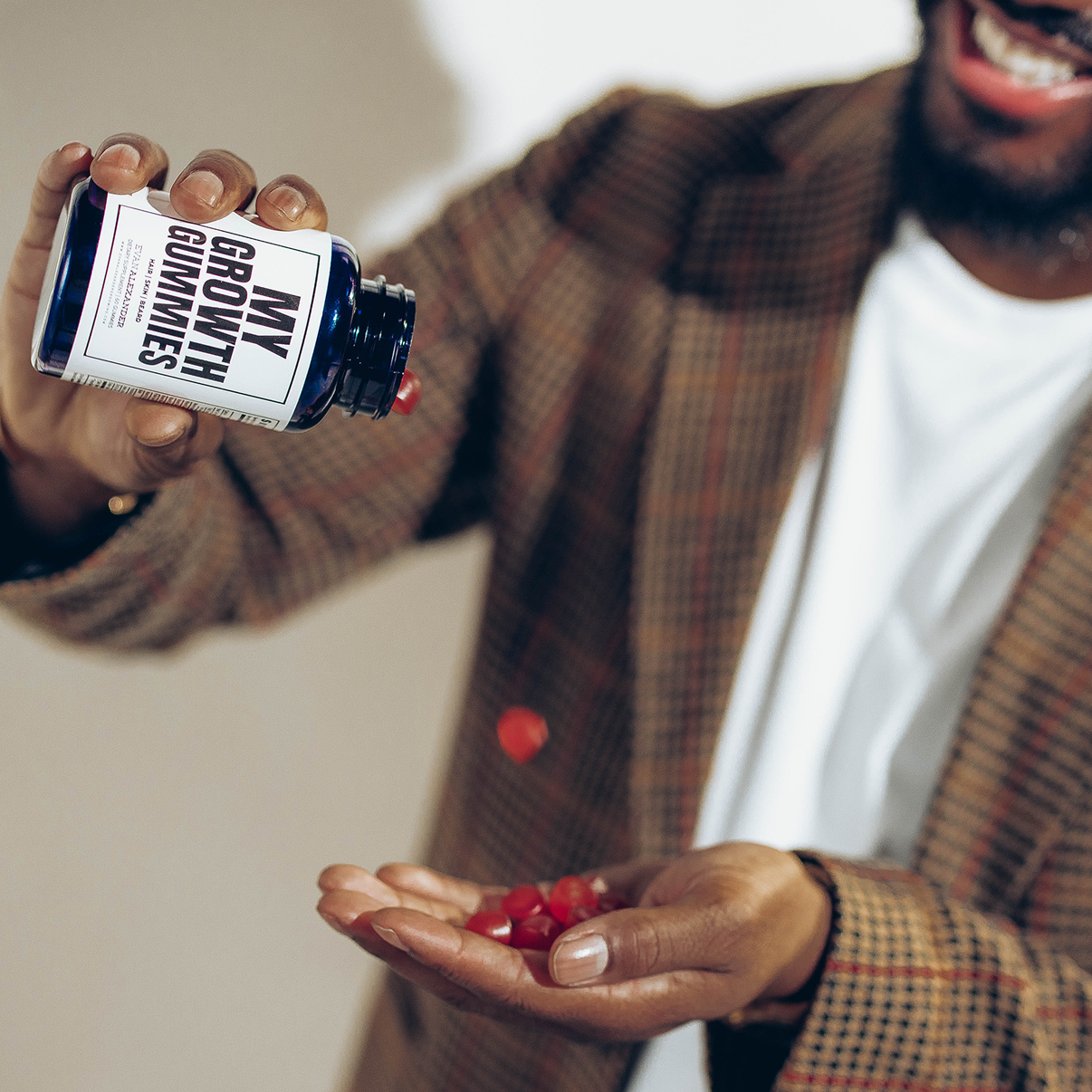
Hair health doesn’t depend solely on external products. Hormonal balance is closely tied to nutrition, sleep, and stress management. Diets lacking in protein, zinc, iron, or essential fatty acids can worsen hormone-related hair issues.
Staying hydrated supports scalp health, while regular sleep helps regulate hormones like cortisol and testosterone. Chronic stress not only affects hormone levels but also increases inflammation, which can negatively impact hair growth cycles.
Physical activity can help regulate hormones, but excessive overtraining without proper recovery may have the opposite effect. Balance is key.
Managing Expectations and Consistency
One of the most important aspects of hair care during hormonal shifts is patience. Hair growth is a slow biological process, and improvements take time. Sudden shedding phases can be alarming, but they don’t always indicate permanent hair loss.
Avoid falling for quick-fix solutions or extreme treatments promoted online. Instead, focus on consistent care, healthy habits, and routines that support long-term scalp and hair health.
When to Seek Professional Guidance
If hair thinning or shedding becomes sudden, severe, or persistent, it’s wise to consult a healthcare professional. Hormonal imbalances sometimes signal underlying health concerns that require medical evaluation.
Conclusion
Hormonal shifts are a natural part of a man’s life, but their impact on hair doesn’t have to feel overwhelming. By understanding how hormones affect hair growth, maintaining a supportive grooming routine, and prioritizing overall wellness, men can protect hair health through every stage of change. Consistency, patience, and balance remain the foundation of effective hair care during hormonal transitions.



Leave a comment (all fields required)